
What Every Parent Needs to Know During National Child Passenger Safety Week
Every year, National Child Passenger Safety Week serves as a reminder that one of the most important things a parent can do for their child has nothing to do with nutrition, screen time, or homework. It has to do with what happens before the car even leaves the driveway.
Motor vehicle crashes remain one of the leading causes of death for children in the United States, and the sobering reality is that a significant number of those injuries and fatalities are preventable. Studies consistently show that nearly half of all car seats are installed or used incorrectly, which means millions of children are riding in vehicles every day with protection that is far less effective than their parents believe.
|
National Child Passenger Safety Week, observed September 15 through 21, exists to change that. At Guardian Fleet Services, our drivers share the road with families every single day, and the safety of every person on that road matters to this team. We want to use this week to share what every parent needs to know. |
|
The Most Common Car Seat Mistakes
The errors parents make with car seats tend to fall into a few predictable categories, and the good news is that most of them are easy to correct once you know what to look for.
A properly installed car seat should not move more than one inch in any direction when you pull it firmly at the base. If it moves more than that, the seat is not anchored correctly and will not perform the way it is designed to in a collision.
The harness straps should lie flat with no twists and fit snugly against your child’s body. A common test is the pinch test: if you can pinch any excess webbing between your fingers at the shoulder, the straps are too loose. In a crash, that slack becomes distance between the harness and your child at the worst possible moment.
The chest clip should sit at armpit level. Many parents position it too low, near the belly, which can cause serious abdominal injuries in a collision. Too high, near the throat or neck, creates its own risks. Armpit level is the correct position every time.
Children grow faster than parents anticipate, and a seat that fit perfectly six months ago may no longer be appropriate. Always check that your child’s height and weight fall within the limits printed on the seat itself, not just the age guidelines on the packaging. Height and weight are the more reliable indicators.
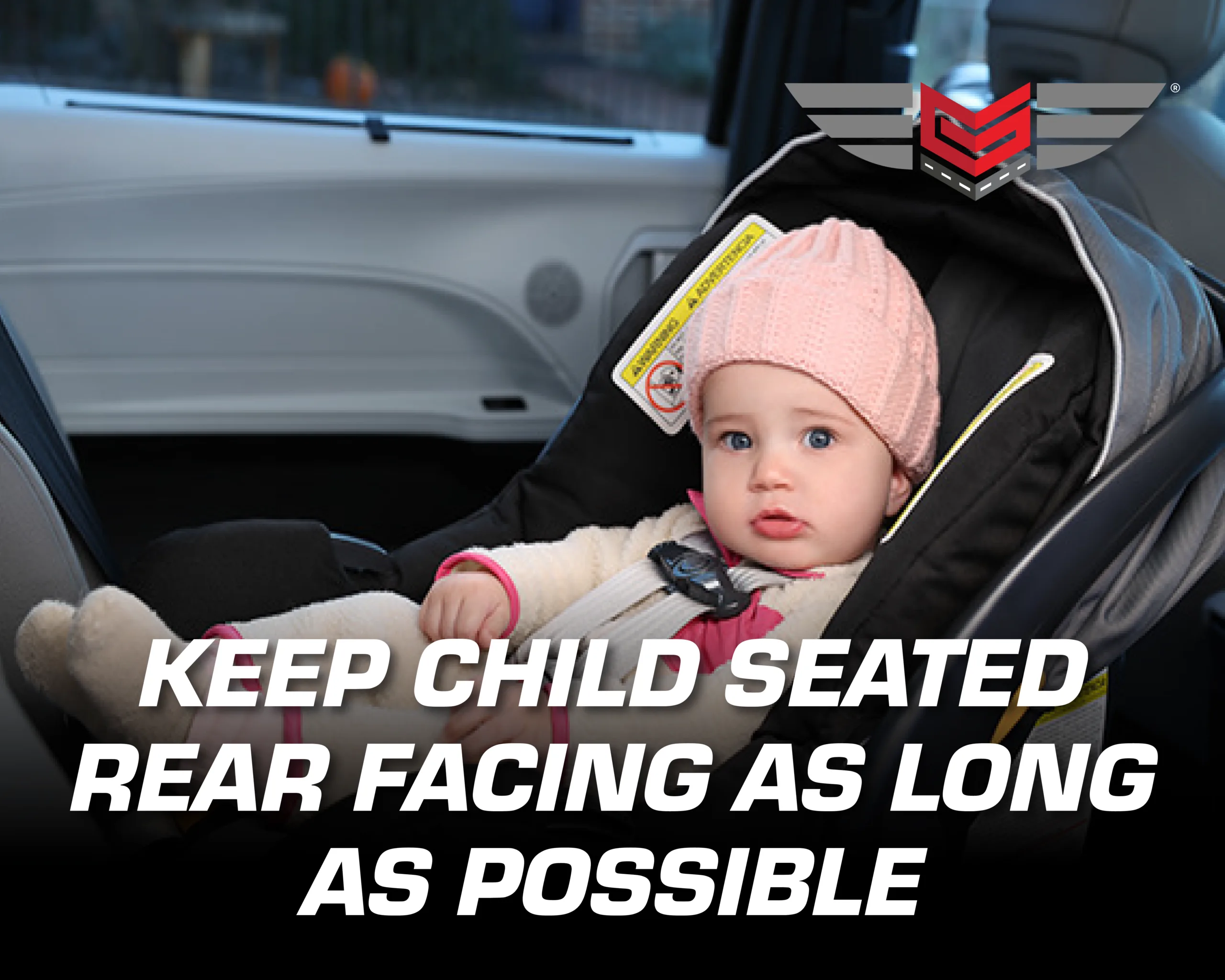
Current safety guidelines recommend keeping children rear-facing until they reach the maximum height or weight limit for their rear-facing seat. Many parents transition to forward-facing earlier than necessary, often because of perceived convenience or a child’s protests, when the rear-facing position still offers significantly better protection for a child’s head, neck, and spine.
Five Things to Check This Week
|
Installation
The seat should not move more than one inch in any direction
|
Harness Fit
Straps should be snug with no excess webbing at the shoulder
|
|
Chest Clip Position
Armpit level, not the belly or the neck
|
Height & Weight Limits
Children outgrow seats faster than parents expect
|
|
Professional Inspection
A certified technician can catch what you cannot
|
|
Get a Professional Inspection
Reading about car seat installation and actually having a certified technician verify your installation are two different things. Certified Child Passenger Safety Technicians are trained to identify installation and usage errors that most parents would never catch on their own, and many offer free inspections through local fire stations, hospitals, and community organizations.
Finding an inspection event near you is straightforward. The National Highway Traffic Safety Administration maintains a searchable database of certified inspection stations at safercar.gov. It takes less than thirty minutes and gives parents the kind of confidence that no amount of reading can fully replicate.
A Note From Guardian Fleet Services
Our drivers are on the road every day, logging miles across the country alongside the families and communities we serve. As professional drivers, road safety is not something we take lightly, and child passenger safety is a priority that every driver and every parent shares a stake in. The more informed families are about proper car seat use, the safer every road becomes for everyone on it.
This week, take ten minutes to check the car seat. If there is any doubt, find an inspection station. The few minutes it takes could matter more than any other decision you make this week.
Find a Certified Car Seat Inspection Station
Learn more and find a certified car seat inspection station near you at safercar.gov.
Common Questions
Frequently Asked Questions
How do I know if my car seat is installed correctly?
The most reliable way to verify a correct installation is to have it inspected by a Certified Child Passenger Safety Technician. As a quick at-home test, try pulling the seat firmly at the base. If it moves more than one inch in any direction, it is not properly secured. You can find a certified inspection station near you at safercar.gov.
When should my child move to a forward-facing seat?
Current guidelines recommend keeping children in a rear-facing seat until they reach the maximum height or weight limit allowed by that seat, not simply when they turn two. The rear-facing position offers significantly better protection for a young child’s head, neck, and spine in a collision. Always refer to your specific seat’s height and weight limits rather than age alone.
Are free car seat inspections available near me?
Yes. Many local fire stations, hospitals, and community organizations offer free car seat inspections by Certified Child Passenger Safety Technicians throughout the year. The National Highway Traffic Safety Administration maintains a searchable database of certified inspection locations at safercar.gov.
What is Child Passenger Safety Week?
National Child Passenger Safety Week is observed September 15 through 21 each year. It is a national awareness campaign designed to educate parents and caregivers about proper car seat installation and use, and to connect families with certified inspection resources in their communities.
Guardian Fleet Services® | Guardian of the Highways® — Before. During. After.